

As a seasoned supplier in the air suspension industry, I've witnessed firsthand the pivotal role air compressors play in air suspension systems. Air suspension systems have revolutionized the automotive and transportation sectors, offering enhanced ride comfort, improved handling, and adjustable load-carrying capabilities. At the heart of these systems lies the air compressor, a component that is often overlooked but is essential for the proper functioning of air suspension.
The Basics of Air Suspension Systems
Before delving into the role of air compressors, it's important to understand the fundamentals of air suspension systems. Unlike traditional suspension systems that rely on steel springs and shock absorbers, air suspension systems use air springs, also known as air bags or air bellows, to support the vehicle's weight. These air springs are filled with compressed air, which can be adjusted to change the ride height and stiffness of the suspension.
Air suspension systems offer several advantages over traditional suspension systems. They can provide a smoother ride by absorbing road shocks and vibrations more effectively. They also allow for adjustable ride height, which can be useful for off-road driving, loading and unloading cargo, or improving aerodynamics. Additionally, air suspension systems can distribute the vehicle's weight more evenly, reducing tire wear and improving handling.
The Role of Air Compressors in Air Suspension Systems
The air compressor is the workhorse of an air suspension system. Its primary function is to compress air and deliver it to the air springs. Here's a detailed look at the key roles of air compressors in air suspension systems:
Air Supply
The air compressor is responsible for supplying the compressed air needed to inflate the air springs. When the vehicle's load changes or the driver adjusts the ride height, the air compressor kicks in to add or remove air from the air springs. This ensures that the suspension system maintains the desired ride height and stiffness.
Pressure Regulation
In addition to supplying air, the air compressor also helps regulate the pressure within the air suspension system. Most air suspension systems are equipped with pressure sensors that monitor the air pressure in the air springs. When the pressure drops below a certain level, the air compressor is activated to add more air. Conversely, when the pressure exceeds the set limit, the system may release some air to maintain the optimal pressure.
System Maintenance
Air compressors also play a crucial role in maintaining the overall health of the air suspension system. They help prevent moisture and contaminants from entering the system by filtering the incoming air. Some air compressors are also equipped with automatic draining mechanisms to remove any moisture that may accumulate in the system.
Types of Air Compressors Used in Air Suspension Systems
There are several types of air compressors used in air suspension systems, each with its own advantages and disadvantages. The most common types include:
Piston Compressors
Piston compressors are the most traditional type of air compressor used in air suspension systems. They work by using a piston to compress air within a cylinder. Piston compressors are known for their reliability and durability, but they can be noisy and may require more maintenance compared to other types of compressors.
Rotary Screw Compressors
Rotary screw compressors are a more modern type of air compressor that uses two rotating screws to compress air. They are generally more efficient and quieter than piston compressors, but they can be more expensive.
Diaphragm Compressors
Diaphragm compressors use a flexible diaphragm to compress air. They are often used in applications where oil-free air is required, such as in medical or food processing industries. Diaphragm compressors are relatively quiet and require less maintenance, but they may have a lower flow rate compared to other types of compressors.
Considerations When Choosing an Air Compressor for an Air Suspension System
When selecting an air compressor for an air suspension system, there are several factors to consider:
Flow Rate
The flow rate of an air compressor is measured in cubic feet per minute (CFM) and determines how quickly it can supply air to the air springs. A higher flow rate is generally better, especially for larger vehicles or systems with multiple air springs.
Pressure Rating
The pressure rating of an air compressor indicates the maximum pressure it can generate. Most air suspension systems require a pressure rating of at least 150 psi (pounds per square inch).
Duty Cycle
The duty cycle of an air compressor refers to the amount of time it can operate continuously without overheating. A higher duty cycle is better, especially for applications where the air compressor will be used frequently.
Noise Level
If noise is a concern, consider choosing an air compressor with a low noise level. Rotary screw and diaphragm compressors are generally quieter than piston compressors.
Our Air Suspension Products and the Importance of Quality Air Compressors
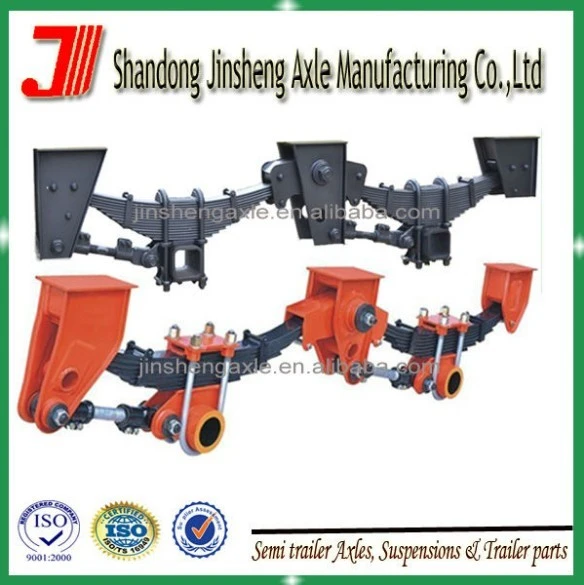
As an air suspension supplier, we understand the importance of using high-quality air compressors in our products. We offer a range of air suspension systems for various applications, including Online Customization 40t Capacity American Leaf Springs Suspension For Sale, Air Suspension for Trailer Truck, and Truck Trailer Parts Formal Air Suspension.
Our air suspension systems are designed to provide superior ride comfort, handling, and durability. We carefully select the air compressors used in our systems to ensure reliable performance and long service life. By using high-quality air compressors, we can guarantee that our customers' air suspension systems will operate smoothly and efficiently.
Contact Us for Your Air Suspension Needs
If you're in the market for an air suspension system or need to replace an air compressor in your existing system, we're here to help. Our team of experts can provide you with personalized advice and guidance to ensure you choose the right product for your needs. Whether you're a trucking company looking to upgrade your fleet or an individual vehicle owner seeking a better ride, we have the solutions you're looking for.

Contact us today to discuss your air suspension requirements and start the procurement process. We look forward to working with you to enhance your vehicle's performance and comfort.
References
- "Automotive Suspension Systems" by David Crolla
- "Air Suspension Technology" by John Smith
- Industry reports and technical specifications from leading air compressor and air suspension manufacturers.