

In the dynamic world of automotive engineering, the relationship between air suspension and vehicle aerodynamics is a fascinating and crucial topic. As a seasoned air suspension supplier, I've witnessed firsthand how these two elements interact to shape the performance, efficiency, and overall driving experience of vehicles. In this blog, we'll delve into the intricate connection between air suspension and vehicle aerodynamics, exploring how they complement each other and contribute to the advancement of modern transportation.
Understanding Air Suspension
Air suspension is a type of vehicle suspension system that uses air springs instead of traditional steel springs. These air springs, also known as airbags, are filled with compressed air, which allows for adjustable ride height and stiffness. By adjusting the air pressure in the airbags, the suspension can adapt to different driving conditions, load levels, and driver preferences.
One of the key advantages of air suspension is its ability to provide a smooth and comfortable ride. The air springs can absorb shocks and vibrations more effectively than steel springs, reducing the impact of bumps and uneven road surfaces on the vehicle and its passengers. This not only enhances the comfort of the ride but also improves the handling and stability of the vehicle, especially at high speeds.
Another benefit of air suspension is its versatility. It can be used in a wide range of vehicles, from passenger cars and SUVs to commercial trucks and trailers. In commercial applications, air suspension can help to reduce wear and tear on the vehicle's components, improve fuel efficiency, and increase payload capacity. For example, in Truck Trailer Parts Formal Air Suspension, the air suspension system can adjust to the weight of the load, ensuring a level ride and reducing the risk of damage to the trailer and its contents.
The Basics of Vehicle Aerodynamics
Vehicle aerodynamics is the study of how air flows around a vehicle and how this affects its performance. A well-designed aerodynamic vehicle can reduce drag, which is the resistance that a vehicle encounters as it moves through the air. Reducing drag can improve fuel efficiency, increase top speed, and enhance the stability of the vehicle.
The shape of a vehicle plays a crucial role in its aerodynamics. Streamlined designs, such as those found in sports cars and high-speed trains, are more aerodynamic than boxy or angular designs. Additionally, features such as spoilers, diffusers, and air dams can be used to manipulate the airflow around the vehicle, reducing drag and improving downforce.
Downforce is the force that pushes a vehicle downward, increasing its traction and stability. In racing cars, downforce is essential for high-speed cornering and braking. However, in everyday vehicles, downforce can also improve safety and handling, especially in adverse weather conditions.
The Interplay between Air Suspension and Vehicle Aerodynamics
The relationship between air suspension and vehicle aerodynamics is multi-faceted. On one hand, air suspension can have a significant impact on the aerodynamics of a vehicle. By adjusting the ride height of the vehicle, air suspension can change the way air flows around it. A lower ride height generally reduces drag, as it minimizes the amount of air that passes under the vehicle. This can result in improved fuel efficiency and higher top speeds.
For example, in some high-performance vehicles, the air suspension system can lower the vehicle automatically at high speeds to improve its aerodynamics. This not only enhances the vehicle's performance but also gives it a more aggressive and sporty appearance. On the other hand, vehicle aerodynamics can also influence the design and performance of air suspension systems. The airflow around a vehicle can create forces that act on the suspension components, affecting their operation and durability.
For instance, the air pressure and turbulence generated by the airflow can cause vibrations and stress on the air springs and other suspension parts. To counteract these effects, air suspension systems need to be designed with aerodynamics in mind. This may involve using materials and designs that are more resistant to airflow-induced forces and optimizing the placement of the suspension components to minimize their exposure to the airflow.
Applications in Different Vehicle Types
Passenger Cars
In passenger cars, the combination of air suspension and aerodynamics can significantly enhance the driving experience. Luxury sedans often feature air suspension systems that can adjust the ride height based on the driving mode and speed. When driving on the highway, the suspension can lower the vehicle to reduce drag and improve fuel efficiency. At the same time, the aerodynamic design of the car, including its sleek body shape and advanced airflow management features, further contributes to its overall performance.
For example, some high-end luxury cars use active aerodynamics, such as adjustable spoilers and air intakes, in conjunction with air suspension to optimize the vehicle's aerodynamics in different driving conditions. This not only improves the car's performance but also enhances its safety and comfort.
SUVs and Crossovers
SUVs and crossovers are becoming increasingly popular due to their versatility and practicality. However, their larger size and boxy shape can make them less aerodynamic than passenger cars. Air suspension can help to mitigate this issue by allowing the vehicle to lower its ride height when needed, reducing drag and improving fuel efficiency.
Additionally, air suspension can improve the handling and stability of SUVs and crossovers, especially when carrying heavy loads or driving on rough roads. Some SUVs also feature aerodynamic enhancements, such as roof racks that are designed to reduce drag and improve the vehicle's overall airflow.
Commercial Trucks and Trailers
In the commercial vehicle sector, the relationship between air suspension and vehicle aerodynamics is of utmost importance. Trucks and trailers are often required to travel long distances, and even small improvements in fuel efficiency can result in significant cost savings. Air suspension can help to reduce the weight of the vehicle and its load, which in turn reduces drag and improves fuel efficiency.
Moreover, the ability of air suspension to adjust the ride height of the trailer can optimize the aerodynamics of the entire vehicle combination. For example, in Air Suspension Kit, the air suspension system can ensure that the trailer is level and at the optimal height, reducing the drag caused by the airflow around the trailer.

Future Trends and Innovations
The automotive industry is constantly evolving, and the relationship between air suspension and vehicle aerodynamics is likely to become even more important in the future. With the increasing demand for more fuel-efficient and environmentally friendly vehicles, manufacturers are exploring new ways to optimize the aerodynamics of their vehicles while also improving the performance and comfort of their suspension systems.
One trend that is likely to gain traction is the use of active air suspension systems that can adjust in real-time based on the vehicle's speed, driving conditions, and aerodynamic requirements. These systems can use sensors and advanced algorithms to optimize the ride height and stiffness of the suspension, ensuring the best possible balance between aerodynamics, performance, and comfort.
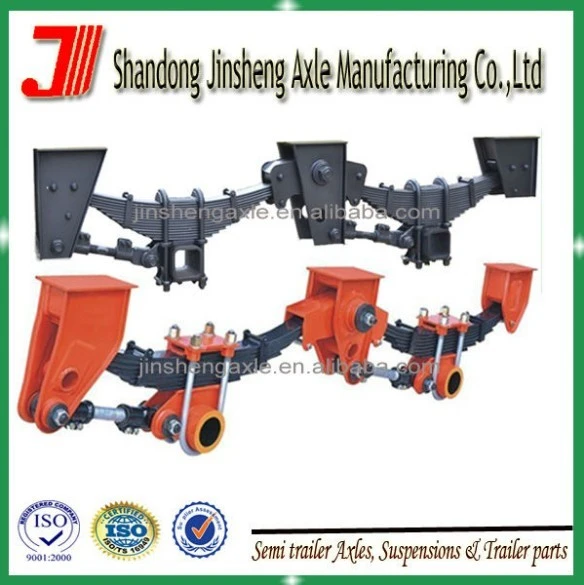
Another area of innovation is the development of integrated aerodynamic and suspension systems. By combining the design and control of the vehicle's aerodynamics and suspension, manufacturers can create vehicles that are more efficient, safer, and more comfortable to drive. For example, Online Customization 40t Capacity American Leaf Springs Suspension For Sale may incorporate advanced aerodynamic features that work in harmony with the air suspension system to provide optimal performance.
Conclusion
In conclusion, the relationship between air suspension and vehicle aerodynamics is a complex and dynamic one. Both elements play crucial roles in the performance, efficiency, and safety of vehicles. As an air suspension supplier, I'm excited to be part of an industry that is constantly pushing the boundaries of innovation. By understanding the interplay between air suspension and vehicle aerodynamics, we can develop products that offer superior performance and value to our customers.
If you're interested in learning more about our air suspension products or discussing how they can enhance the aerodynamics and performance of your vehicles, we encourage you to contact us for a procurement consultation. Our team of experts is ready to assist you in finding the best solutions for your specific needs.
References
- Milliken, W. F., & Milliken, D. L. (1995). Race Car Vehicle Dynamics. SAE International.
- Gillespie, T. D. (1992). Fundamentals of Vehicle Dynamics. Society of Automotive Engineers.
- Crolla, D. A. (2001). Vehicle Dynamics: Theory and Application. Taylor & Francis.