

In the realm of trailer components, the welded kingpin stands as a crucial element, playing a pivotal role in ensuring the safe and efficient operation of trailers. As a trusted supplier of Welded Kingpin, I often encounter inquiries about the maximum stress a welded kingpin can withstand. This blog post aims to delve into this topic, exploring the factors that influence the stress tolerance of welded kingpins and providing insights to help you make informed decisions when selecting these essential components.
Understanding the Role of Welded Kingpins
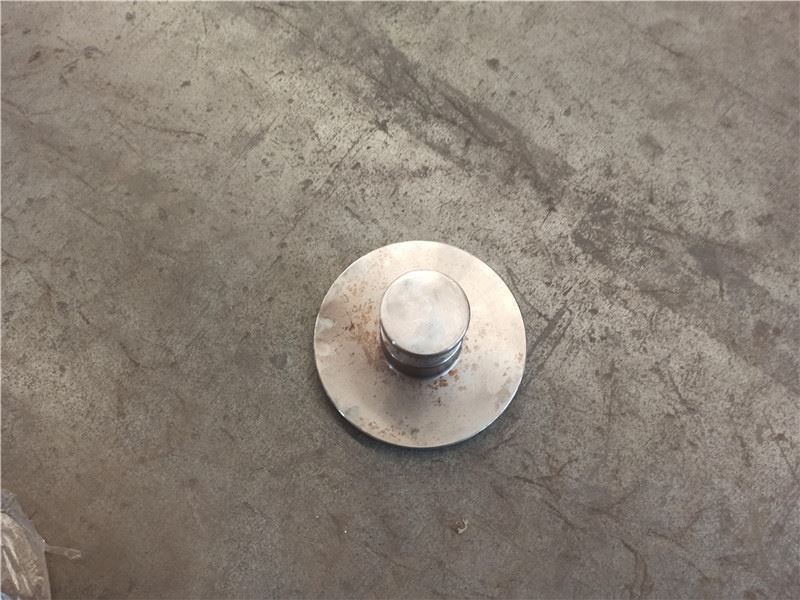
Before we dive into the maximum stress a welded kingpin can endure, it's essential to understand its function. A welded kingpin is a key component in the fifth-wheel coupling system of a trailer. It serves as the pivot point between the tractor and the trailer, allowing for smooth turning and maneuverability. The kingpin is securely welded to the trailer frame, providing a stable connection that can withstand the forces generated during towing, braking, and cornering.
Factors Affecting the Maximum Stress Tolerance
Several factors influence the maximum stress a welded kingpin can withstand. Understanding these factors is crucial for ensuring the proper selection and installation of kingpins to meet the specific requirements of your trailer.
Material Quality
The quality of the material used in the manufacturing of the welded kingpin is a primary determinant of its stress tolerance. High-quality steel alloys with excellent strength and toughness properties are typically used to ensure the kingpin can withstand the rigors of heavy-duty applications. For instance, alloy steels such as 4140 or 4340 offer superior strength and fatigue resistance compared to mild steels, making them ideal for use in welded kingpins.
Welding Quality
The welding process used to attach the kingpin to the trailer frame is another critical factor. Proper welding techniques and procedures are essential to ensure a strong and reliable bond between the kingpin and the frame. Inadequate welding can result in weak joints that are prone to failure under stress. Weld quality is typically assessed based on factors such as weld penetration, bead shape, and the absence of defects such as cracks or porosity.
Design and Dimensions
The design and dimensions of the welded kingpin also play a significant role in its stress tolerance. Kingpins are available in various sizes and configurations to accommodate different trailer types and applications. The diameter, length, and shape of the kingpin can affect its strength and load-carrying capacity. For example, a larger diameter kingpin generally has a higher stress tolerance than a smaller one, as it can distribute the load over a larger area.
Operating Conditions
The operating conditions under which the trailer is used can have a profound impact on the stress experienced by the welded kingpin. Factors such as load weight, towing speed, road conditions, and frequency of use can all contribute to the overall stress on the kingpin. Trailers that are subjected to heavy loads, high speeds, or rough terrain will typically require kingpins with a higher stress tolerance.
Calculating the Maximum Stress
Determining the maximum stress a welded kingpin can withstand is a complex process that requires a thorough understanding of the factors mentioned above. Engineers typically use advanced computational methods and finite element analysis (FEA) to simulate the behavior of the kingpin under different loading conditions. These simulations take into account the material properties, welding quality, design dimensions, and operating conditions to predict the maximum stress the kingpin can endure before failure.
In addition to computational methods, physical testing is also conducted to validate the stress tolerance of welded kingpins. Samples of the kingpin are subjected to various loading tests, such as tensile, compressive, and shear tests, to measure their strength and durability. These tests provide valuable data that can be used to refine the design and manufacturing processes and ensure the kingpins meet the required safety standards.

Industry Standards and Regulations
The trailer industry is subject to various standards and regulations that govern the design, manufacturing, and use of welded kingpins. These standards ensure the safety and reliability of trailer components and help to prevent accidents and failures. For example, the American Society of Mechanical Engineers (ASME) and the Society of Automotive Engineers (SAE) have established standards for the design and performance of kingpins, including requirements for material quality, welding procedures, and stress tolerance.
Compliance with these standards is essential for trailer manufacturers and operators to ensure the safety of their vehicles and cargo. When selecting a welded kingpin, it's important to choose a product that meets or exceeds the relevant industry standards and regulations.
Selecting the Right Welded Kingpin
Choosing the right welded kingpin for your trailer is crucial to ensure its safe and efficient operation. Here are some key considerations to keep in mind when making your selection:
Trailer Type and Application
The type of trailer and its intended application will determine the specific requirements for the welded kingpin. For example, heavy-duty trailers used in long-haul transportation or off-road applications will typically require kingpins with a higher stress tolerance than light-duty trailers used for local deliveries. Consider factors such as the maximum load capacity, towing speed, and operating conditions when selecting a kingpin.
Compatibility
Ensure that the welded kingpin you choose is compatible with your trailer's fifth-wheel coupling system. Kingpins come in different sizes and configurations to fit specific fifth-wheel designs. Check the specifications of your fifth-wheel to determine the appropriate kingpin size and type.
Quality and Certification
Look for welded kingpins that are manufactured to high-quality standards and are certified by reputable organizations. Certifications such as ISO 9001 or SAE J2344 indicate that the manufacturer follows strict quality control procedures and that the product meets or exceeds industry standards.
Supplier Reputation
Choose a supplier with a good reputation for providing high-quality welded kingpins and excellent customer service. A reliable supplier will be able to provide you with technical support, product recommendations, and assistance with installation and maintenance.
Examples of Welded Kingpins and Their Stress Tolerance
To give you a better understanding of the stress tolerance of welded kingpins, let's take a look at some examples of different types of kingpins and their typical applications.
2'' Welded Kingpin
The 2'' welded kingpin is a common size used in many light to medium-duty trailers. It is typically designed to withstand a maximum vertical load of around 20,000 to 30,000 pounds, depending on the material quality, welding quality, and design. These kingpins are suitable for trailers used in applications such as local delivery, landscaping, or small-scale construction.
3.5'' Bolt-in Kingpin
The 3.5'' bolt-in kingpin is a larger and more heavy-duty option, commonly used in heavy-haul trailers and semi-trailers. It is designed to handle much higher loads, with a maximum vertical load capacity of up to 50,000 pounds or more. The bolt-in design allows for easier installation and replacement compared to welded kingpins, making it a popular choice for trailers that require frequent maintenance or replacement of the kingpin.
Importance of Regular Inspection and Maintenance
Even with the highest-quality welded kingpins, regular inspection and maintenance are essential to ensure their continued performance and safety. Over time, kingpins can experience wear, fatigue, and damage due to normal use and exposure to harsh environmental conditions. Regular inspections can help detect signs of wear or damage early, allowing for timely repairs or replacement of the kingpin before a failure occurs.
Inspection should include checking for signs of cracks, wear, or deformation on the kingpin and the welding area. The fifth-wheel coupling should also be inspected for proper alignment and operation. Lubrication of the kingpin and the fifth-wheel components is also important to reduce friction and wear and ensure smooth operation.
Conclusion
The maximum stress a welded kingpin can withstand is influenced by a variety of factors, including material quality, welding quality, design and dimensions, and operating conditions. By understanding these factors and following proper selection, installation, and maintenance procedures, you can ensure that your trailer's welded kingpin provides reliable and safe performance.
As a supplier of Welded Kingpin, we are committed to providing high-quality kingpins that meet the diverse needs of our customers. Our team of experts can assist you in selecting the right kingpin for your trailer and provide you with the technical support and guidance you need to ensure its proper installation and maintenance.
If you have any questions or would like to discuss your specific requirements, please feel free to contact us. We look forward to working with you to find the best solutions for your trailer's kingpin needs.
References
- ASME Boiler and Pressure Vessel Code, Section IX - Welding and Brazing Qualifications
- SAE J2344 - Fifth Wheel Kingpin Design and Performance Requirements
- AWS D1.1/D1.1M:2020 - Structural Welding Code - Steel