

When it comes to trailer kingpins, the difference between a 2 - inch and a 3.5 - inch model is significant and can greatly impact the performance and safety of your trailer. As a seasoned supplier of trailer kingpins, I've seen firsthand how crucial it is for customers to understand these differences to make the right choice for their specific needs.
Physical Dimensions and Compatibility
The most obvious difference between a 2 - inch and a 3.5 - inch trailer kingpin lies in their diameters. The 2 - inch kingpin is smaller in size compared to the 3.5 - inch one. This difference in diameter affects the compatibility with different fifth - wheel hitches.
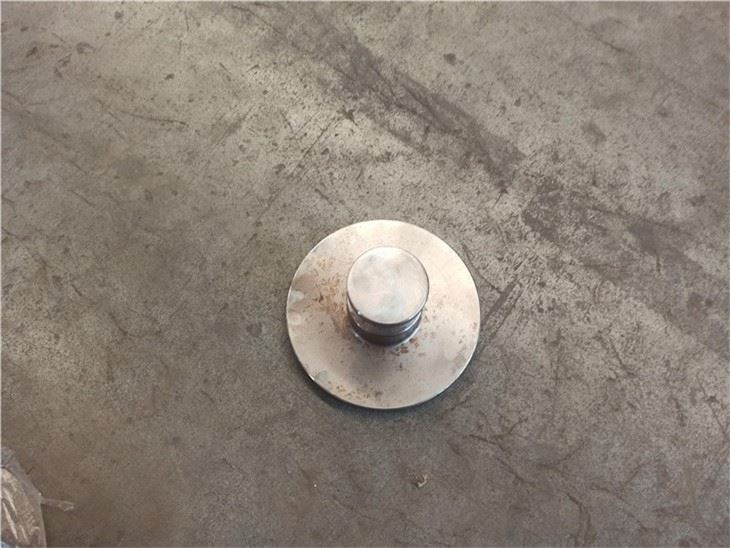
A 2 - inch kingpin is commonly used with lighter trailers. It is designed to fit into fifth - wheel hitches that are specifically engineered for this smaller size. These hitches are often found on smaller trucks or vehicles used for towing relatively light loads, such as small utility trailers or some camping trailers. For example, if you have a small trailer used for hauling gardening equipment or a small boat, a 2 - inch kingpin would likely be the appropriate choice. You can find high - quality 2'' Welded Kingpin options in our inventory, which are suitable for various light - duty trailer applications.
On the other hand, a 3.5 - inch kingpin is much larger and is intended for heavier - duty trailers. It requires a fifth - wheel hitch that can accommodate its larger diameter. This type of kingpin is typically used on commercial trailers, such as semi - trailers used for long - haul trucking or large construction trailers. The larger size provides a stronger connection between the trailer and the towing vehicle, which is essential when dealing with heavy loads. Our 3.5''bolt - in Kingpin is a popular choice for these heavy - duty applications, offering reliability and durability.
Load - Carrying Capacity
Another critical difference between the two sizes is their load - carrying capacity. The 2 - inch kingpin has a lower load - carrying capacity compared to the 3.5 - inch kingpin. This is directly related to its smaller size and the fact that it is designed for lighter trailers.
The load - carrying capacity of a 2 - inch kingpin is usually in the range of a few thousand pounds. This makes it suitable for trailers that do not carry extremely heavy loads. For instance, a small enclosed trailer used for transporting motorcycles or ATVs may have a 2 - inch kingpin, as the total weight of the trailer and its contents is relatively light.
In contrast, a 3.5 - inch kingpin can handle much heavier loads. Commercial trailers that carry large amounts of freight, such as shipping containers or heavy construction materials, rely on 3.5 - inch kingpins. These kingpins can support loads in the tens of thousands of pounds, ensuring the safe and stable towing of heavy - duty trailers. When you're dealing with high - volume and heavy - weight cargo, a 3.5 - inch kingpin is the only option that can provide the necessary strength and stability.
Installation and Maintenance
The installation process for 2 - inch and 3.5 - inch trailer kingpins also differs. A 2 - inch kingpin is often easier to install, especially in smaller trailers. It may require less specialized equipment and can be installed with basic hand tools in many cases. Welded 2 - inch kingpins are a common choice, and the welding process can be completed by a skilled welder with relative ease. This makes it a more accessible option for DIY enthusiasts or small - scale trailer owners.
The 3.5 - inch kingpin, however, may require more complex installation procedures. Due to its larger size and the fact that it is used on heavy - duty trailers, it often needs to be installed with the help of professional equipment and experienced technicians. Bolt - in 3.5 - inch kingpins are a popular choice for their ease of replacement and installation, but proper torque specifications and alignment are crucial to ensure a secure connection. You can find more information about our Bolt - in Kingpin options, which are designed for both 2 - inch and 3.5 - inch sizes to meet different installation requirements.
In terms of maintenance, both types of kingpins need regular inspection. The 2 - inch kingpin, being used on lighter trailers, may experience less wear and tear, but it still needs to be checked for signs of damage, such as cracks or excessive wear on the surface. The 3.5 - inch kingpin, due to the heavy loads it bears, requires more frequent and thorough inspections. This includes checking the bolts for tightness, the overall alignment, and any signs of stress or fatigue.
Safety Considerations
Safety is of utmost importance when it comes to trailer towing. Using the wrong size kingpin can pose serious safety risks. If a trailer with a heavy load is equipped with a 2 - inch kingpin that is not rated for the weight, it can lead to a failure of the connection between the trailer and the towing vehicle. This can result in the trailer detaching from the truck, causing a dangerous situation on the road.
Conversely, using a 3.5 - inch kingpin on a light trailer may not be practical and can also cause issues. The larger kingpin may not fit properly into the fifth - wheel hitch designed for a 2 - inch kingpin, leading to an unstable connection. This can cause the trailer to sway or bounce during towing, increasing the risk of an accident.
Therefore, it is essential to choose the right size kingpin based on the weight and type of your trailer. As a supplier, we always recommend that our customers consult with our experts to ensure they are making the correct choice for their specific trailer and towing needs.
Cost
The cost of 2 - inch and 3.5 - inch trailer kingpins also varies. Generally, the 2 - inch kingpin is less expensive than the 3.5 - inch kingpin. This is due to its smaller size, lower load - carrying capacity, and the fact that it is used for lighter - duty applications. However, the cost difference is not just about the price of the kingpin itself. The cost of the fifth - wheel hitch that is compatible with each size also plays a role. A fifth - wheel hitch for a 3.5 - inch kingpin is typically more expensive than one for a 2 - inch kingpin, as it needs to be stronger and more robust to handle the heavier loads.
When considering the cost, it is important to look at the long - term value. While a 2 - inch kingpin may be cheaper upfront, if it is not suitable for your trailer's needs and leads to safety issues or frequent replacements, it can end up costing more in the long run. On the other hand, investing in a high - quality 3.5 - inch kingpin for a heavy - duty trailer can provide years of reliable service, making it a worthwhile investment.
Conclusion
In conclusion, the difference between a 2 - inch and a 3.5 - inch trailer kingpin is substantial and encompasses physical dimensions, load - carrying capacity, installation and maintenance, safety, and cost. As a trusted trailer kingpin supplier, we understand the importance of helping our customers make the right choice. Whether you have a light - duty trailer that requires a 2 - inch kingpin or a heavy - duty commercial trailer that needs a 3.5 - inch kingpin, we have the products and expertise to meet your needs.
If you're in the market for a trailer kingpin or have any questions about which size is right for your trailer, don't hesitate to contact us. Our team of experts is ready to assist you in making an informed decision and ensuring the safety and efficiency of your trailer towing operations.

References
- Trailer Industry Handbook, various editions
- National Highway Traffic Safety Administration (NHTSA) guidelines on trailer safety
- Manufacturer specifications for trailer kingpins and fifth - wheel hitches