

As a supplier of 2'' Welded Kingpins, I often encounter inquiries from customers about the corrosion rate of these essential trailer components in specific environments. Understanding the corrosion rate is crucial for ensuring the longevity and performance of the kingpins, which are vital for the safe operation of trailers. In this blog post, I will delve into the factors that influence the corrosion rate of a 2'' Welded Kingpin and provide insights on how to mitigate its effects.
Understanding the 2'' Welded Kingpin
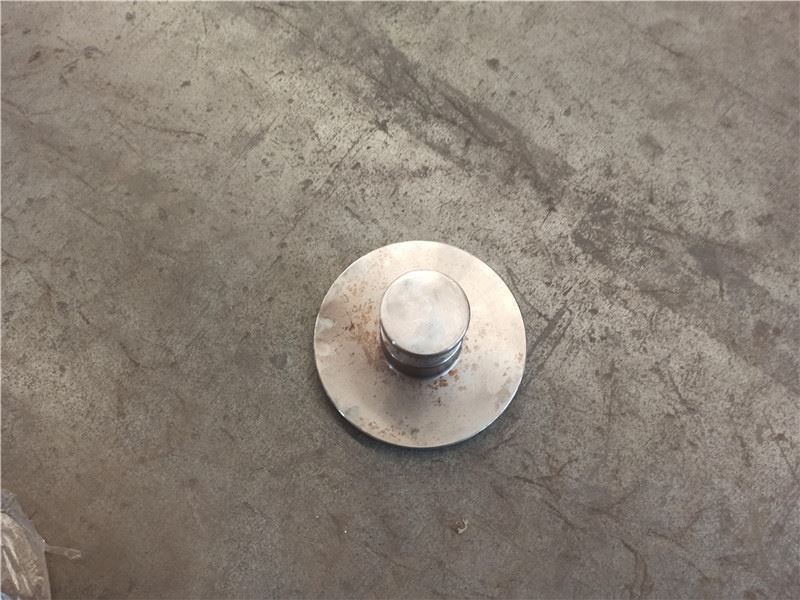
Before discussing the corrosion rate, let's briefly understand what a 2'' Welded Kingpin is. A kingpin is a large bolt that connects the trailer to the tractor unit, allowing for the articulation of the trailer. The 2'' Welded Kingpin, as the name suggests, has a diameter of 2 inches and is welded onto the trailer's fifth wheel plate. This type of kingpin is commonly used in heavy - duty trailers due to its strength and durability. You can find more information about our 2'' Welded Kingpin on our website.
Factors Affecting the Corrosion Rate
The corrosion rate of a 2'' Welded Kingpin is influenced by several factors, including the environment, the material of the kingpin, and the presence of protective coatings.
Environmental Factors
- Moisture: Moisture is one of the primary catalysts for corrosion. In humid environments or areas with high levels of precipitation, the kingpin is more likely to corrode. Water can react with the metal of the kingpin, forming rust over time. For example, in coastal regions where the air is saturated with moisture and salt, the corrosion rate can be significantly higher.
- Temperature: Extreme temperatures can also affect the corrosion rate. High temperatures can accelerate chemical reactions, increasing the rate of corrosion. On the other hand, low temperatures can cause water to freeze, which may damage the protective coatings on the kingpin and expose it to further corrosion.
- Chemical Exposure: Exposure to chemicals such as road salts, acids, and alkalis can also cause corrosion. Road salts are commonly used in winter to melt ice on roads, and they can be particularly corrosive to metal components. Acids and alkalis can be present in industrial areas or from spills, and they can react with the metal of the kingpin, leading to rapid corrosion.
Material of the Kingpin
The material of the 2'' Welded Kingpin plays a significant role in its corrosion resistance. Most kingpins are made of high - strength steel, which provides good mechanical properties but may be susceptible to corrosion. Some manufacturers may use stainless steel or alloy steels that have better corrosion resistance. Stainless steel contains chromium, which forms a passive oxide layer on the surface of the metal, protecting it from corrosion. Alloy steels can also be formulated to have improved corrosion resistance by adding elements such as nickel and molybdenum.
Protective Coatings
Applying protective coatings is an effective way to reduce the corrosion rate of a 2'' Welded Kingpin. Common coatings include paint, galvanization, and powder coating.
- Paint: Paint provides a physical barrier between the metal and the environment, preventing moisture and chemicals from reaching the surface of the kingpin. However, paint can chip or scratch over time, exposing the metal to corrosion.
- Galvanization: Galvanization involves coating the kingpin with a layer of zinc. Zinc is more reactive than steel, so it corrodes preferentially, protecting the underlying steel. Galvanized kingpins have good corrosion resistance, especially in outdoor environments.
- Powder Coating: Powder coating is a process where a dry powder is electrostatically applied to the kingpin and then cured in an oven. Powder coatings provide a durable and uniform finish that can resist scratches, chips, and corrosion.
Measuring the Corrosion Rate
Measuring the corrosion rate of a 2'' Welded Kingpin can be challenging, as it depends on many factors and can vary over time. One common method is to use weight loss measurements. This involves weighing the kingpin before and after a certain period of exposure to the environment. The difference in weight is then used to calculate the corrosion rate. Another method is to use electrochemical techniques, such as potentiodynamic polarization, which can measure the corrosion current and provide information about the corrosion rate and mechanism.

Mitigating Corrosion
To mitigate the corrosion of a 2'' Welded Kingpin, several strategies can be employed:
- Regular Inspection: Regularly inspect the kingpin for signs of corrosion, such as rust, pitting, or flaking. Early detection of corrosion allows for timely repairs or replacement, preventing further damage.
- Cleaning: Keep the kingpin clean by washing it regularly with water and a mild detergent. This helps to remove dirt, salt, and other contaminants that can cause corrosion.
- Re - coating: If the protective coating on the kingpin is damaged, re - apply the coating as soon as possible. This can help to restore the corrosion resistance of the kingpin.
- Proper Storage: When the trailer is not in use, store it in a dry and protected environment. This can reduce the exposure of the kingpin to moisture and other corrosive elements.
Comparison with Other Kingpins
In addition to the 2'' Welded Kingpin, we also offer 3.5'' bolt - in Kingpin. The corrosion rate of a 3.5'' bolt - in kingpin may be similar to that of a 2'' Welded Kingpin, but it can also be affected by its design and installation. The bolt - in design may have different stress distribution and sealing characteristics, which can influence the corrosion behavior. Our Welded Kingpin series, in general, is designed to provide high - quality and corrosion - resistant solutions for various trailer applications.
Conclusion
The corrosion rate of a 2'' Welded Kingpin is a complex issue that is influenced by environmental factors, the material of the kingpin, and the presence of protective coatings. Understanding these factors and taking appropriate measures to mitigate corrosion can help to ensure the long - term performance and safety of the kingpin. As a supplier of 2'' Welded Kingpins, we are committed to providing high - quality products that are designed to resist corrosion. If you are interested in purchasing our 2'' Welded Kingpins or have any questions about their corrosion resistance, please feel free to contact us for more information and to start a procurement discussion.
References
- Fontana, M. G. (1986). Corrosion Engineering. McGraw - Hill.
- Uhlig, H. H., & Revie, R. W. (1985). Corrosion and Corrosion Control. Wiley - Interscience.
- ASTM International. (2019). ASTM G1 - 03(2017) Standard Practice for Preparing, Cleaning, and Evaluating Corrosion Test Specimens.