

Yo, what's up everyone! As a supplier of air suspension systems, I've been getting a bunch of questions lately about how high temperatures can mess with these systems. So, I thought I'd sit down and break it all down for you in this blog post.
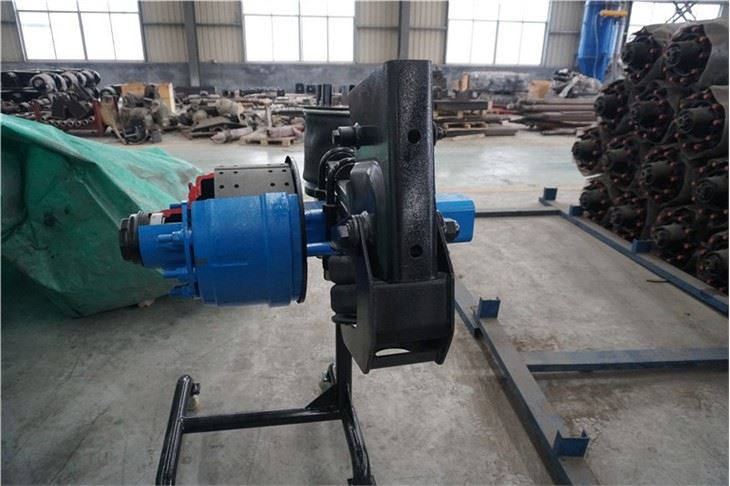
First off, let's talk about what an air suspension system is. If you're not familiar, an air suspension uses air springs instead of traditional steel springs to support the vehicle's weight. It gives a smoother ride, better handling, and can be adjusted for different loads and driving conditions. We offer a wide range of air suspension products, like the Air Suspension Kit, Air Suspension for Trailer Truck, and Reverse Air Suspension.
Now, let's get into the nitty - gritty of how high temperatures can affect these systems.
Impact on Air Springs
The air springs are a key component of the air suspension system. They're basically rubber bellows filled with compressed air. High temperatures can have a few negative effects on them.
One of the main issues is that heat can cause the rubber to degrade faster. Rubber is a polymer, and when it's exposed to high temperatures for long periods, the chemical bonds in the polymer start to break down. This makes the rubber more brittle and less flexible. As a result, the air springs can develop cracks. Once there are cracks in the air springs, air can leak out, which means the suspension won't be able to support the vehicle properly. You might notice your vehicle sitting lower than normal or having a rougher ride.
Another problem is that the air inside the springs expands when it gets hot. According to the ideal gas law, PV = nRT, where P is pressure, V is volume, n is the number of moles of gas, R is the ideal gas constant, and T is temperature. When the temperature (T) goes up, and the volume (V) is relatively fixed (because the air spring has a set size), the pressure (P) inside the air spring increases. This increased pressure can put extra stress on the air spring walls and the seals around the air spring. Over time, this can lead to seal failures and air leaks.

Effects on Compressors
The compressor is responsible for pumping air into the air springs to maintain the right pressure. High temperatures can take a toll on the compressor as well.
Compressors generate heat when they're running, and in hot weather, the ambient temperature is already high. This means the compressor has to work even harder to dissipate the heat it produces. If the compressor can't cool down properly, it can overheat. When a compressor overheats, its internal components can start to wear out faster. For example, the motor windings can get damaged, and the pistons or diaphragms inside the compressor can warp or break.
Moreover, high temperatures can also affect the lubricants in the compressor. Lubricants are essential for reducing friction between moving parts. But when it's hot, the lubricants can thin out. Thinner lubricants don't provide as much protection, which can lead to increased wear and tear on the compressor's internal parts. Eventually, this can cause the compressor to fail, and without a working compressor, the air suspension system won't be able to adjust the air pressure in the springs.
Impact on Valves and Sensors
The air suspension system also has valves and sensors that control the flow of air and monitor the system's performance. High temperatures can mess with these components too.
Valves are made of various materials, including rubber and metal. The rubber parts can degrade due to heat, just like the air springs. This can cause the valves to leak air or not open and close properly. If a valve doesn't open when it should, the air can't flow into or out of the air springs, and the suspension won't be able to adjust as needed.
Sensors are sensitive electronic components. High temperatures can cause the electrical resistance in the sensors to change. This can lead to inaccurate readings. For example, the height sensor might tell the system that the vehicle is at a different height than it actually is. As a result, the system might try to adjust the air pressure in the springs when it's not necessary, or it might not make the adjustments when it should.
How to Mitigate the Effects of High Temperature
As a supplier, I know it's important to give you some solutions to deal with these problems.
First, proper maintenance is crucial. Regularly inspect the air springs for any signs of damage, like cracks or wear. Check the seals around the air springs and the valves for leaks. If you notice any issues, replace the damaged parts as soon as possible.
When it comes to the compressor, make sure it's installed in a well - ventilated area. You can also add a cooling fan or a heat shield to help keep the compressor cool. And don't forget to change the lubricant in the compressor at the recommended intervals, especially in hot climates.
For the valves and sensors, keep them clean and dry. If possible, use heat - resistant coatings or insulation to protect them from the high temperatures.
Conclusion
So, to sum it all up, high temperatures can definitely have a significant impact on air suspension systems. From degrading the air springs to overheating the compressor and affecting the valves and sensors, the heat can cause a whole host of problems. But with proper maintenance and some preventive measures, you can minimize these effects and keep your air suspension system running smoothly.
If you're in the market for a new air suspension system or need replacement parts, we've got you covered. We offer high - quality Air Suspension Kit, Air Suspension for Trailer Truck, and Reverse Air Suspension. If you have any questions or want to discuss your specific needs, feel free to reach out. We're always happy to help you find the right solution for your vehicle.
References
- "Automotive Suspension Systems" by David Crolla
- "Thermodynamics: An Engineering Approach" by Yunus A. Cengel and Michael A. Boles