

Hey there! As a supplier of 2'' Welded Kingpins, I often get asked a bunch of questions about these little but crucial components. One question that pops up quite a bit is, "Can a 2'' Welded Kingpin be used in high - temperature environments?" Well, let's dig into this topic and find out.
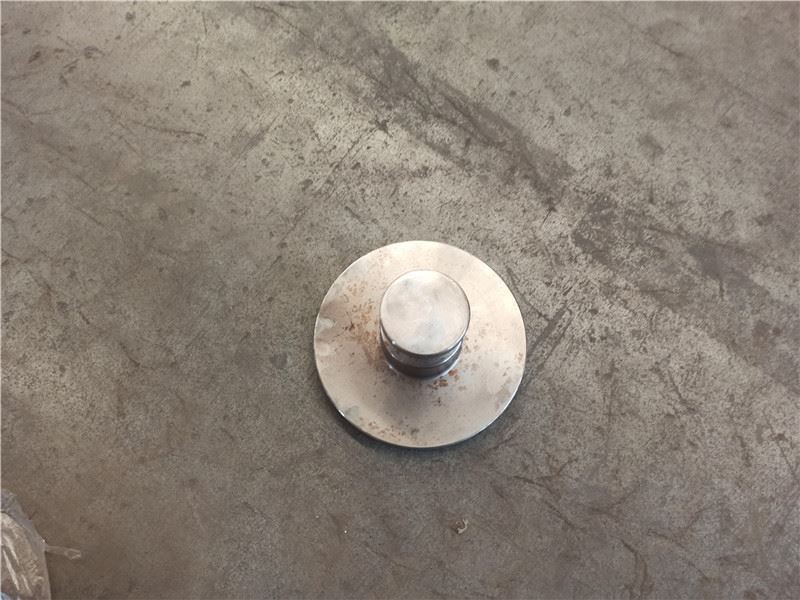
First off, let's talk about what a 2'' Welded Kingpin is. It's a key part in the trailer - truck connection system. It's that small yet mighty piece that allows the trailer to pivot and turn smoothly when the truck is on the move. The "2''" refers to its size, and "welded" means it's attached to the trailer by welding, which provides a strong and stable connection.
Now, high - temperature environments can be a real challenge for any mechanical part. Heat can cause materials to expand, lose their strength, and even change their structure over time. So, when it comes to using a 2'' Welded Kingpin in such conditions, we need to look at a few factors.
Material Matters
The material of the kingpin plays a huge role in its performance in high - temperature settings. Most 2'' Welded Kingpins are made from high - strength steel. Steel is a great choice because it has good mechanical properties and can withstand a fair amount of heat. However, not all steels are created equal.
Some steels are specially alloyed to handle high temperatures better. These alloy steels have elements like chromium, nickel, and molybdenum added to them. Chromium helps form a protective oxide layer on the surface of the steel, which prevents further oxidation at high temperatures. Nickel improves the steel's toughness and resistance to thermal fatigue. Molybdenum increases the steel's strength and hardness at elevated temperatures.
As a supplier, I make sure that the 2'' Welded Kingpins I offer are made from high - quality alloy steels. This gives them a better chance of performing well in high - temperature environments. But even with the right material, there are still limits.
Temperature Limits
Every material has a maximum temperature it can handle before its properties start to degrade significantly. For most high - quality alloy steels used in kingpins, the safe operating temperature range is usually up to around 400 - 500 degrees Celsius. Beyond this range, the steel may start to lose its strength, and the welded joints could also be affected.
If the temperature in the environment exceeds this limit, the kingpin might experience problems like excessive wear, cracking, or even failure. This is a serious issue because a failed kingpin can lead to trailer disconnection, which is extremely dangerous on the road.
So, before using a 2'' Welded Kingpin in a high - temperature environment, it's important to know the actual temperature range of that environment. If it's close to or above the safe operating limit of the kingpin, then alternative solutions might need to be considered.
Weld Quality
Since the 2'' Welded Kingpin is attached to the trailer by welding, the quality of the weld is crucial, especially in high - temperature conditions. A poor - quality weld can be a weak point in the system.
Heat can cause the weld to expand and contract, and if the weld isn't strong enough, it can crack. A cracked weld can compromise the connection between the kingpin and the trailer, leading to instability and potential failure.
As a supplier, I ensure that the welding process used for our 2'' Welded Kingpins is of the highest quality. We use advanced welding techniques and strict quality control measures to make sure the welds can withstand the stresses of high - temperature environments.
Alternative Options
If the high - temperature environment is too extreme for a 2'' Welded Kingpin, there are some alternative options available. For example, you might consider the 3.5''Welded Kingpin. It's a larger size, which means it has more mass and can potentially handle heat better. Also, the 2''bolt - in Kingpin is another option. Bolt - in kingpins can be easier to replace if they get damaged, and in some cases, they might be more suitable for high - temperature applications.
Maintenance and Inspection
Even if a 2'' Welded Kingpin is made from the right material and has a good weld, proper maintenance and inspection are essential in high - temperature environments. Regular inspections can help detect any signs of wear, cracking, or other damage early on.
Maintenance might include cleaning the kingpin to remove any debris or contaminants that could accelerate corrosion. Lubrication is also important, but you need to use a high - temperature lubricant. Regular lubrication reduces friction between the kingpin and the trailer coupling, which can generate heat and cause premature wear.
Real - World Applications
There are many real - world situations where 2'' Welded Kingpins might be exposed to high temperatures. For example, in industries like steel manufacturing, where trailers are used to transport hot materials, the kingpins can get very hot. In some desert regions, the ambient temperature can be extremely high, which can also affect the performance of the kingpin.
In these cases, it's important to work closely with a supplier who understands the challenges of high - temperature applications. As a supplier, I'm always ready to offer advice on how to choose the right kingpin and how to maintain it properly in these conditions.

Conclusion
So, can a 2'' Welded Kingpin be used in high - temperature environments? The answer is yes, but with some conditions. The material, temperature limits, weld quality, and proper maintenance all play important roles. If you're facing a high - temperature situation, make sure to consider all these factors.
If you're in the market for a reliable 2'' Welded Kingpin or any other Welded Kingpin, I'm here to help. I've got a wide range of high - quality kingpins that are designed to meet different needs, including those in high - temperature environments. If you have any questions or want to discuss your specific requirements, feel free to reach out. Let's work together to find the best solution for your trailer needs.
References
- "Materials Science and Engineering: An Introduction" by William D. Callister Jr. and David G. Rethwisch
- "Welding Handbook" by American Welding Society