

As a supplier of lightweight axles, I often encounter inquiries from customers regarding the safety concerns associated with these products. Lightweight axles have gained significant popularity in recent years due to their numerous advantages, such as improved fuel efficiency, increased payload capacity, and reduced environmental impact. However, some potential buyers remain skeptical about their safety, questioning whether they can withstand the same level of stress and load as traditional heavy - duty axles. In this blog, I will delve into the safety aspects of lightweight axles and address these concerns.
Understanding the Design and Materials of Lightweight Axles
Lightweight axles are engineered using advanced materials and innovative design techniques. High - strength steel alloys, aluminum alloys, and composite materials are commonly used in their construction. These materials offer a high strength - to - weight ratio, which means they can provide the necessary strength to support the load while being significantly lighter than traditional materials.
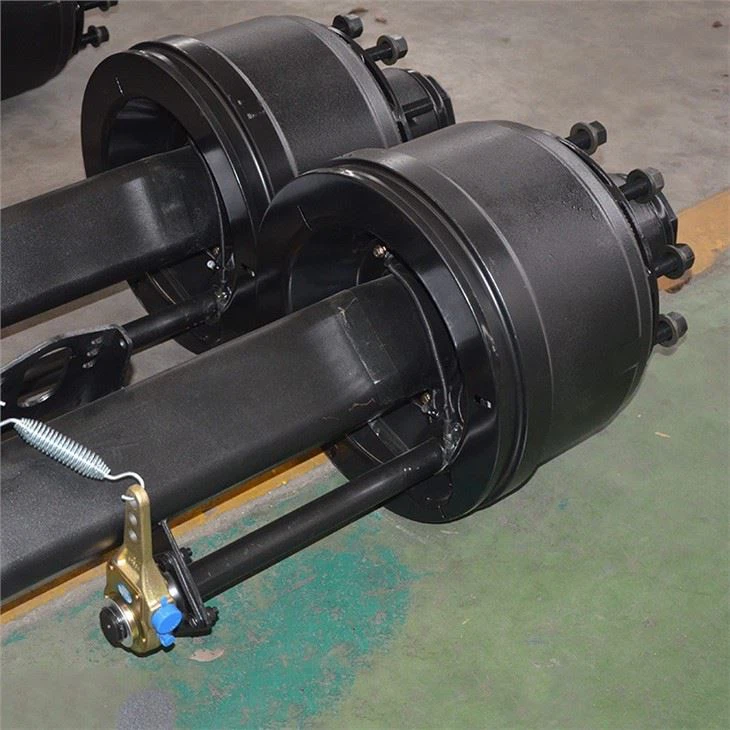
For example, aluminum alloys are known for their excellent corrosion resistance and relatively high strength. They are often used in the manufacturing of lightweight axles, especially for applications where weight reduction is crucial, such as in the aerospace and automotive industries. High - strength steel alloys, on the other hand, can be heat - treated to achieve specific mechanical properties, making them suitable for heavy - load applications.
In addition to the materials, the design of lightweight axles is also optimized for safety. Computer - aided design (CAD) and finite element analysis (FEA) are used to simulate the performance of the axles under various loading conditions. This allows engineers to identify potential weak points and make design improvements to ensure that the axles can withstand the expected loads without failure.
Safety Testing and Certification
Before lightweight axles are released to the market, they undergo a series of rigorous safety tests. These tests are designed to simulate real - world operating conditions and ensure that the axles meet or exceed industry standards.
One of the most common tests is the static load test, where a known load is applied to the axle to measure its deflection and stress distribution. This test helps to determine the maximum load capacity of the axle and ensures that it can support the intended payload without permanent deformation.
Dynamic load tests are also conducted to evaluate the axle's performance under moving loads. These tests simulate the vibrations, shocks, and impacts that the axle may encounter during normal operation. By subjecting the axle to these dynamic loads, manufacturers can identify any potential fatigue or durability issues.
In addition to these tests, lightweight axles must also comply with various safety standards and regulations. For example, in the automotive industry, axles must meet the standards set by organizations such as the Society of Automotive Engineers (SAE) and the International Organization for Standardization (ISO). These standards specify the minimum requirements for axle design, materials, and performance, ensuring that the axles are safe for use on public roads.
Real - World Performance
In real - world applications, lightweight axles have proven to be safe and reliable. Many commercial vehicle manufacturers have adopted lightweight axles in their fleets to improve fuel efficiency and payload capacity. These vehicles operate under a variety of conditions, including long - distance hauling, heavy - traffic urban driving, and off - road use.
For instance, in the trailer industry, lightweight axles are widely used to reduce the overall weight of the trailer, allowing for more payload to be carried. Jinsheng Lightweight Trailer Axles 10T Axle Rear Trailer Parts For Sale are a great example of high - quality lightweight axles that have been well - received by the market. These axles are designed to provide excellent performance and safety, even under heavy loads.

Another example is the 10 Ton Lightweight Axle, which is suitable for a wide range of applications, from heavy - duty trucks to large trailers. The axle's design and materials ensure that it can handle the high loads associated with these applications while maintaining its safety and reliability.
The Inboard Drum Lightweight Axle is also a popular choice for many vehicle manufacturers. Its unique design provides better braking performance and durability, further enhancing the safety of the vehicle.
Addressing Common Safety Concerns
Despite the numerous safety features and testing procedures, some common safety concerns still exist regarding lightweight axles. One of the most frequently asked questions is whether lightweight axles are more prone to bending or breaking under heavy loads.
As mentioned earlier, lightweight axles are designed using advanced materials and engineering techniques to ensure that they can withstand the expected loads. The high strength - to - weight ratio of the materials used in their construction allows them to support heavy loads without excessive deflection or failure. However, it is important to note that like any other mechanical component, lightweight axles must be properly maintained and used within their design limits.
Another concern is the potential for corrosion in lightweight axles, especially those made of aluminum alloys. While aluminum alloys are generally corrosion - resistant, they can still be affected by certain environmental factors, such as salt water and acidic conditions. To address this issue, manufacturers often apply protective coatings to the axles to prevent corrosion. Regular maintenance, including cleaning and inspection, is also recommended to ensure the long - term durability and safety of the axles.
Conclusion
In conclusion, lightweight axles are a safe and reliable alternative to traditional heavy - duty axles. Through the use of advanced materials, innovative design techniques, and rigorous safety testing, these axles can provide the necessary strength and performance while reducing weight and improving fuel efficiency.
Real - world applications have demonstrated the safety and reliability of lightweight axles in a variety of industries. However, it is important for users to follow proper maintenance procedures and use the axles within their design limits to ensure their long - term safety.
If you are considering purchasing lightweight axles for your vehicles or trailers, I encourage you to contact us for more information. Our team of experts can provide you with detailed product specifications, safety information, and help you select the right axle for your specific needs. We are committed to providing high - quality lightweight axles that meet the highest safety standards.
References
- Society of Automotive Engineers (SAE) standards.
- International Organization for Standardization (ISO) standards.
- Technical literature from lightweight axle manufacturers.